Sequels rarely outshine the original, but what if the wardrobe already did?
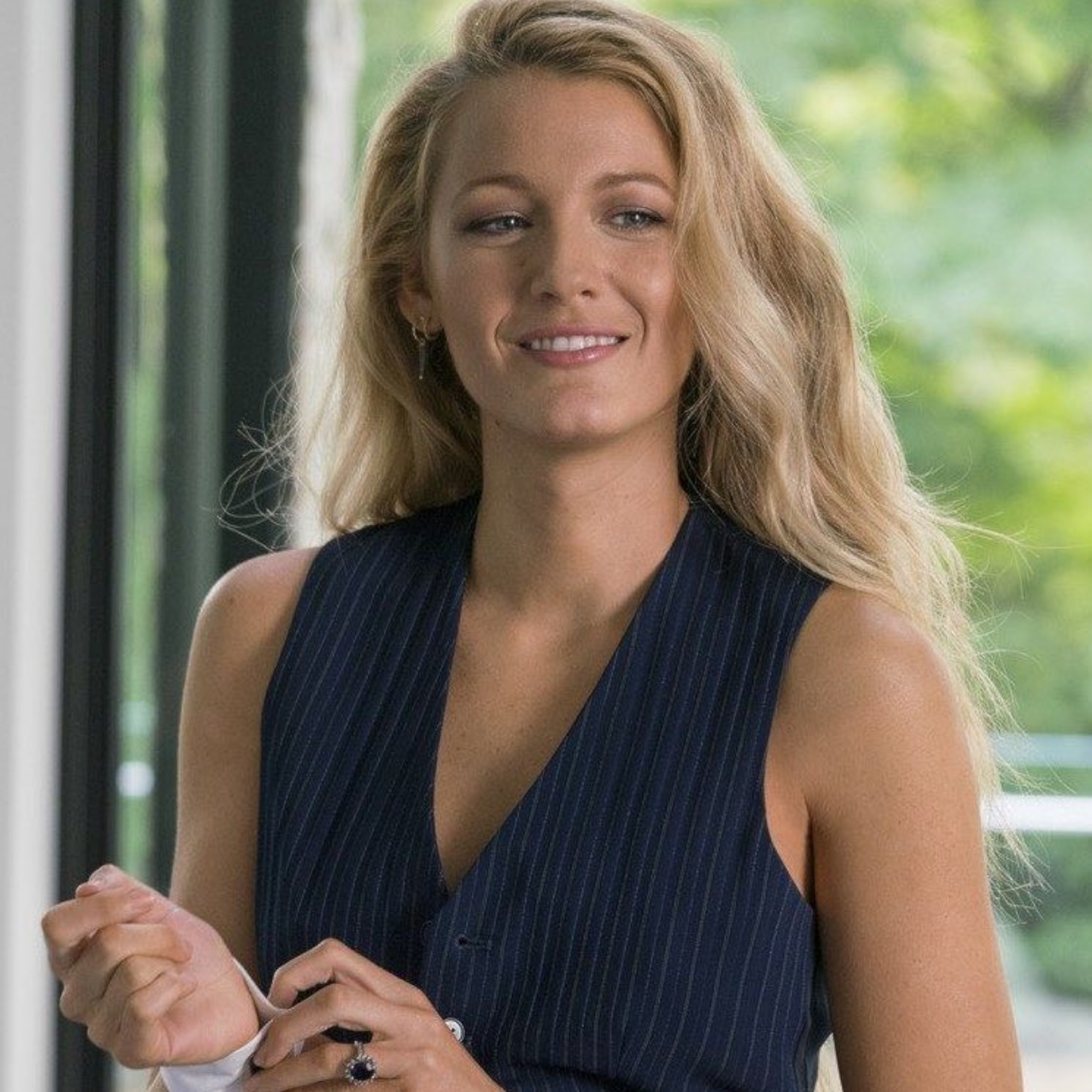
When Another Simple Favor dropped earlier this month, it wasn’t the mystery that had me leaning forward on the sofa, it was the clothes. The sharp lapels, the champagne silk blouses, the kind of tailored power play that whispers, “Don’t underestimate me, darling, I’m in couture.”
When did fashion stop being a backdrop and start writing the plot?
In a cinematic world full of soft-girl neutrals and pastel optimism, this return to structure, satin, and subtext feels rebellious. These aren’t outfits you wear to be liked, they’re what you wear to be remembered.
The costumes, designed by Renée Ehrlich Kalfus, aren’t just beautiful, they’re brutally intentional.Every pleat, every exaggerated cuff, every brooch is a confession.
When Emily raises an eyebrow over her emerald-green tie blouse, she’s not asking a question, she’s making a statement: “I know something you don’t.”
And isn’t that the essence of fashion? Not to blend in, but to tell the world a secret without saying a word.
If Another Simple Favour taught us that a well-cut suit could hide a lie, Another Simple Favour reminds us that it can reveal one too.Fashion isn’t the armour it’s the agenda.
It’s less about what she’s hiding and more about what she’s claiming: space, attention, power.The kind of presence that makes you stop mid-sentence and wonder where she shops and whether they sell confidence by the meter.
As I sat there, coffee in hand, I realized every woman watching is writing her own sequel.We’ve all had our Simple Favor moments: a sharp dress for a sharper exit, a blazer that feels like armor, a heel that could start a revolution.
Maybe that’s why we love Emily Nelson so much. She’s every unapologetic part of us that refuses to fade into the background.
So yes, the film has mystery.Yes, it has drama.But make no mistake — the real plot twist is in the closet.
In a world obsessed with the story, perhaps it’s still the outfit that gets the last word.
Leave a Reply