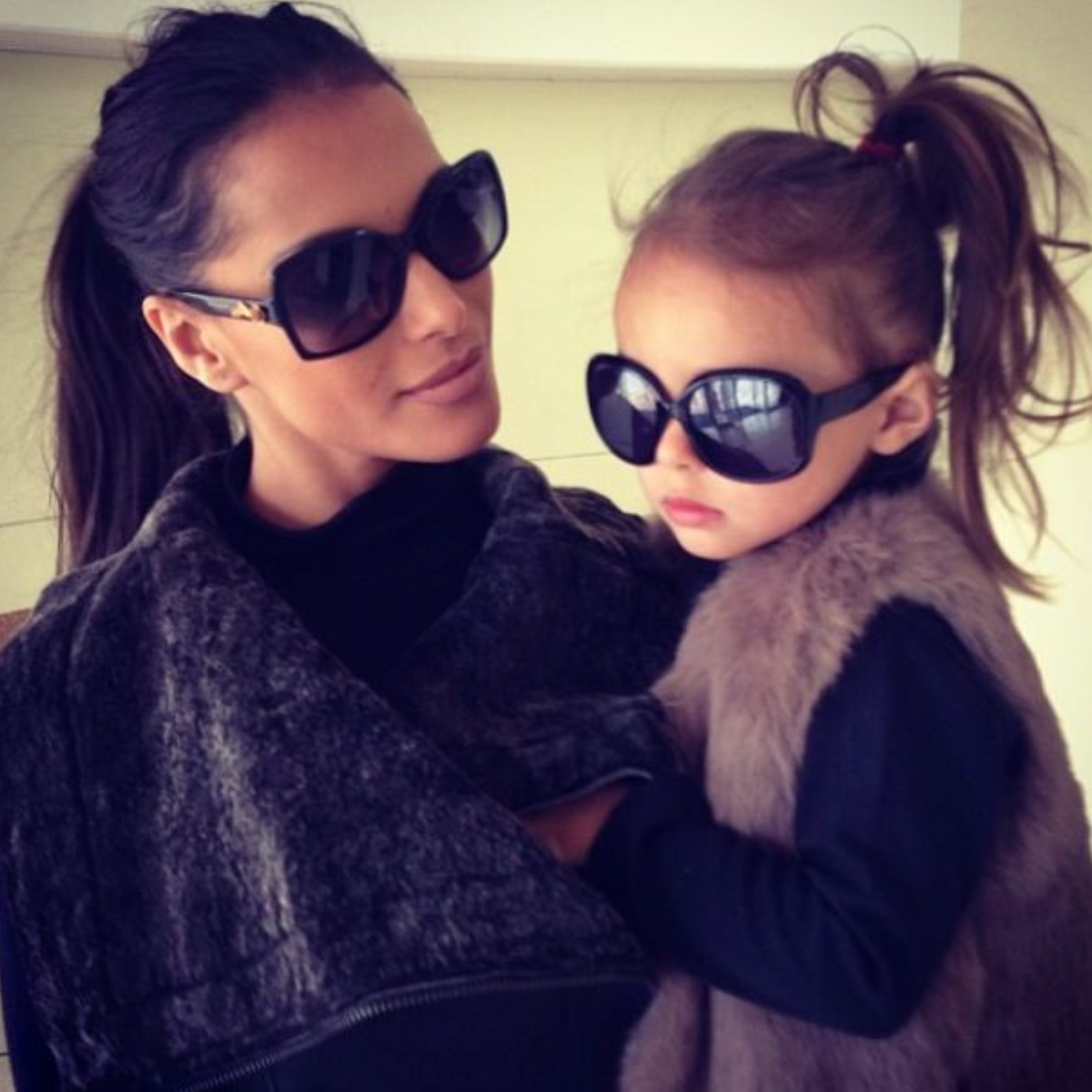
There was a time before beauty influencers, before twelve-step skincare routines, and long before anyone felt the need to explain the difference between a serum and an essence.
Back then, beauty advice traveled differently.
It wasn’t discovered on a screen.
It was passed across a bathroom counter.
From mother to daughter.
From grandmother to granddaughter.
From one generation of women to the next.
And lately, I’ve found myself wondering:
In a world obsessed with the newest beauty innovation, have we forgotten the wisdom that was sitting on our mothers’ vanities all along?
Growing up, beauty felt less complicated.
Most mothers didn’t have shelves overflowing with products. They had a small collection of trusted essentials that somehow managed to survive decades of trends.
There was always a jar of Vaseline.
A cold cream tucked inside a cabinet.
A favorite lipstick worn down to its final millimeter.
A signature perfume that announced her presence before she entered the room.
And somehow, despite the simplicity, they always looked beautiful.
Perhaps because beauty wasn’t treated as a project.
It was treated as a ritual.
The women before us understood something that modern beauty culture occasionally forgets: consistency is often more powerful than complexity.
They moisturized.
Protected their skin from the sun.
Drank their water.
Got their sleep.
And repeated the process for years.
Not because it was trending.
Because it worked.
Take Vaseline, for example.
Long before “slugging” became a viral skincare technique, mothers had already been applying a thin layer of petroleum jelly to dry lips, rough hands, and cracked heels. They didn’t call it a beauty hack.
They called it Tuesday.
There was something wonderfully practical about their approach.
No marketing jargon.
No miracle promises.
Just products that earned their place through results.
The same could be said for cold cream.
For decades, women relied on simple cleansers to remove makeup at the end of the day. There was something elegant about that ritual. The slow removal of lipstick and mascara before bed felt less like maintenance and more like an act of care.
Perhaps beauty felt more intimate then.
Less performative.
More personal.
And then there were the fragrances.
A mother’s perfume wasn’t simply a scent.
It was an identity.
Years later, one spray can still transport us back to childhood kitchens, family holidays, and quiet mornings spent watching her get ready.
Isn’t it remarkable that scent can preserve a memory more faithfully than a photograph?
The same applies to beauty itself.
Many of the rituals we inherited were never really about appearance.
They were about self-respect.
The women who came before us taught us to care for ourselves in small, consistent ways.
To take a few moments before leaving the house.
To brush our hair.
To moisturize our skin.
To wear perfume even when nobody else would notice.
Not because beauty was a performance.
Because it was a form of dignity.
Of course, every generation believes it is improving upon the last.
We have more products, more technology, and more information than ever before.
And yet, the beauty industry seems to spend an extraordinary amount of time rediscovering what our mothers already knew.
Hydration matters.
Sleep matters.
Sun protection matters.
Consistency matters.
Imagine that.
After decades of innovation, we keep arriving at the same conclusions.
Perhaps that’s because true beauty rarely changes.
Its packaging changes.
Its language changes.
Its trends change.
But the fundamentals remain remarkably timeless.
A healthy complexion.
A touch of confidence.
A signature scent.
A lipstick that makes you feel like yourself.
The older I get, the more I appreciate these inherited rituals.
Not because they’re old-fashioned.
But because they’re enduring.
They’re reminders that beauty isn’t always found in what’s new.
Sometimes it’s found in what survives.
The jar of Vaseline that’s been sitting in bathrooms for generations.
The perfume bottle passed down through memories.
The advice that quietly traveled from one woman to another without ever needing a marketing campaign.
And maybe that’s the greatest beauty secret of all.
The most valuable rituals are rarely invented.
They’re inherited.
And I couldn’t help but wonder…
In a world constantly searching for the next beauty breakthrough, could the most timeless secrets have been sitting on our mothers’ vanities all along?
The Legacy Edit
The beauty products that survived trends, generations, and bathroom cabinet clear-outs.
Vaseline
The original multi-tasker. Long before beauty trends gave it a new name, women were using it on lips, cuticles, elbows, and dry skin. Sometimes the classics really do know best.
Cold Cream
Before micellar water and cleansing balms, there was cold cream. Rich, simple, and wonderfully glamorous, it turned removing makeup into a ritual rather than a chore.
Rose Water
A staple on many vanities for generations. Refreshing, delicate, and timelessly feminine.
Nivea Creme
The iconic blue tin that seems to exist in every country and every generation. Proof that effective skincare doesn’t always require a laboratory’s worth of ingredients.
Pond’s
A beauty cabinet fixture for decades. The kind of product mothers bought, daughters borrowed, and grandmothers trusted.
Red Lipstick
Not technically a product but certainly a beauty heirloom. Every generation seems to discover its own version of the perfect red.
A Signature Perfume
Perhaps the most enduring beauty tradition of all. Not a trend, but a calling card. The scent that lingers in memories long after the bottle is gone.
A Hairbrush Worth Keeping
Many beauty rituals begin and end with healthy hair. Our mothers knew that beautiful hair wasn’t always about products—it was often about care.
Hand Cream
A quiet luxury. Often overlooked, always appreciated.
Sunscreen
The beauty advice that proved itself right decade after decade.
Leave a Reply